Spacious elegance with a Jacuzzi and serene garden views.
View details
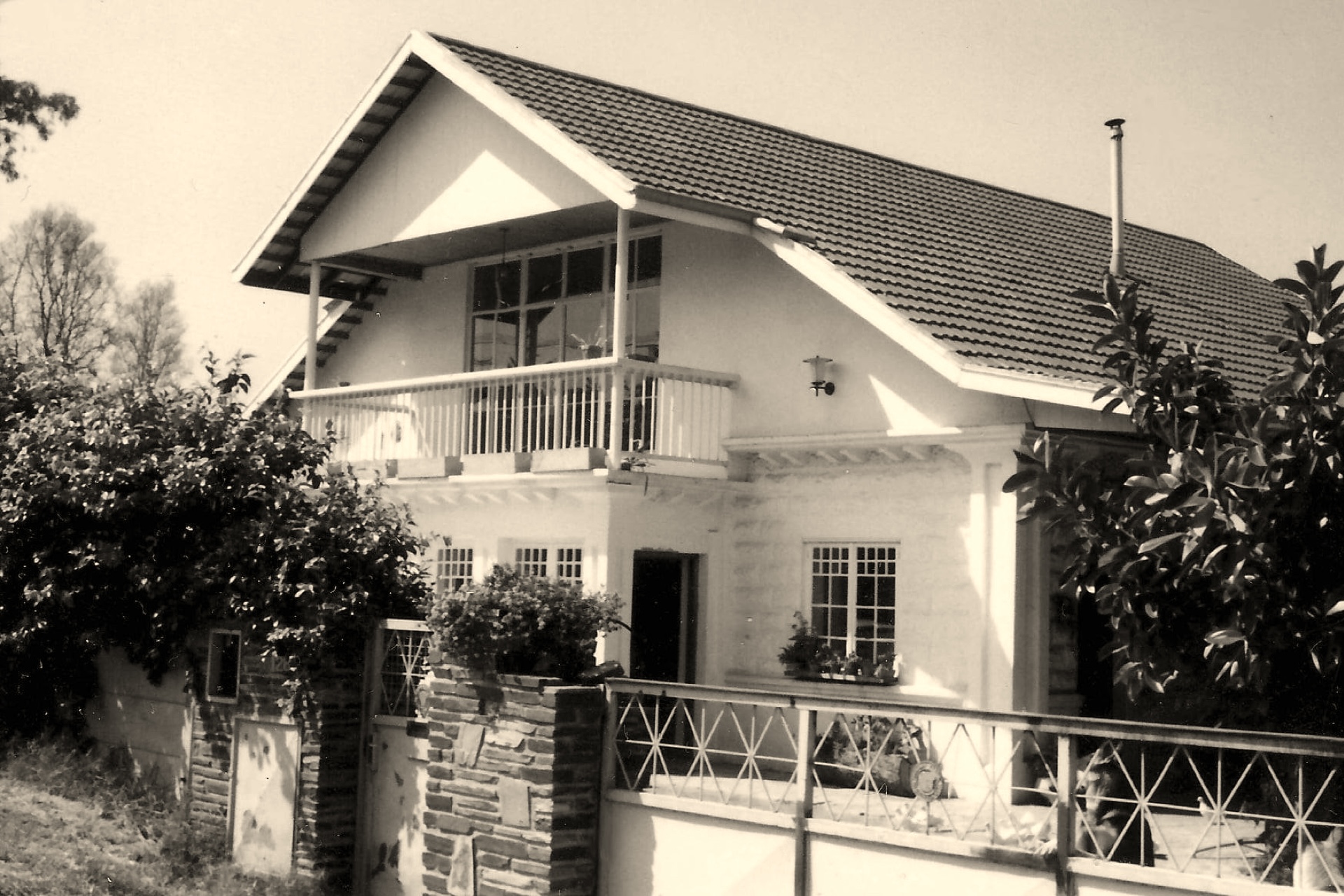
Historic Farmhouse in Sandton
Sandton Farmhouse, nestled in the heart of Parkmore, carries with it the quiet legacy of a time before the city skyline rose around it. Originally built in the early 1930s by a gold prospector, the home stood proudly on a spacious plot surrounded by open veld, far removed from the bustle of Johannesburg’s modern-day pace. Built with solid craftsmanship and set among generous gardens, it became a much-loved family home for decades.
In those early days, 8th Street was a dirt road, and this house was one of the few in the area. A water tank once towered above it, fed by a windmill, and the family’s garden stretched generously across the land with fruit trees, vegetables, and hand-built stone features shaping everyday life.
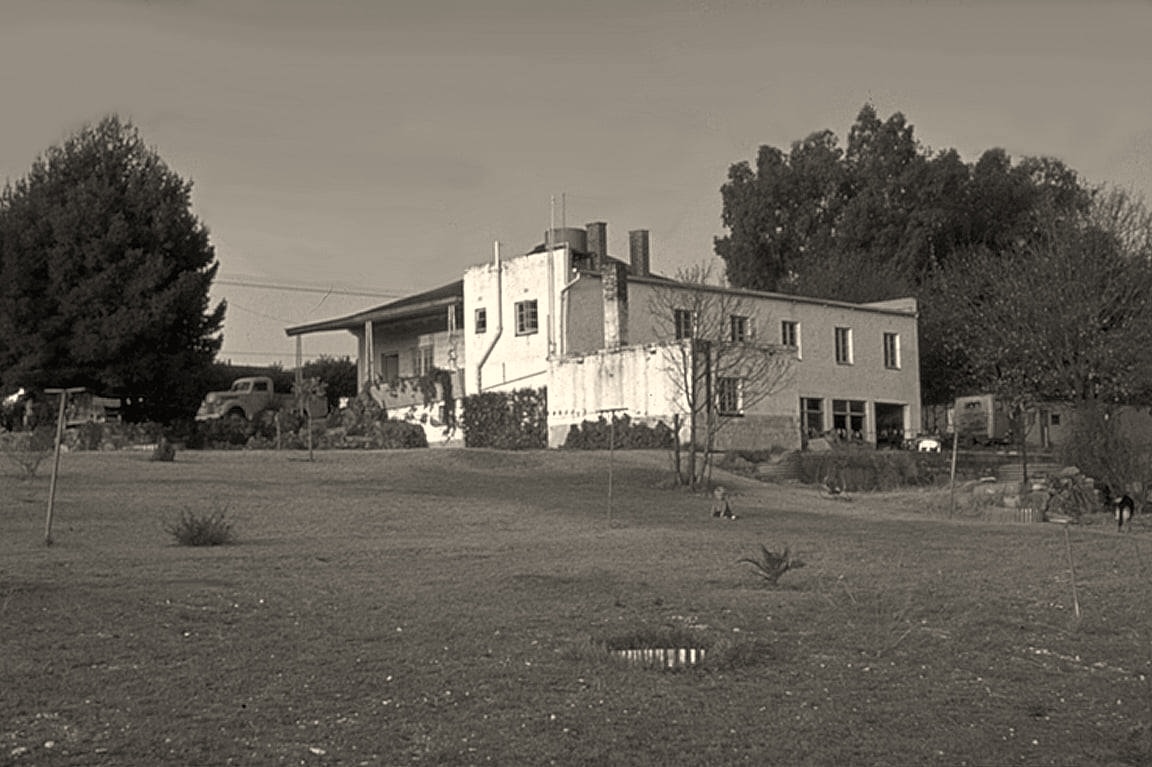
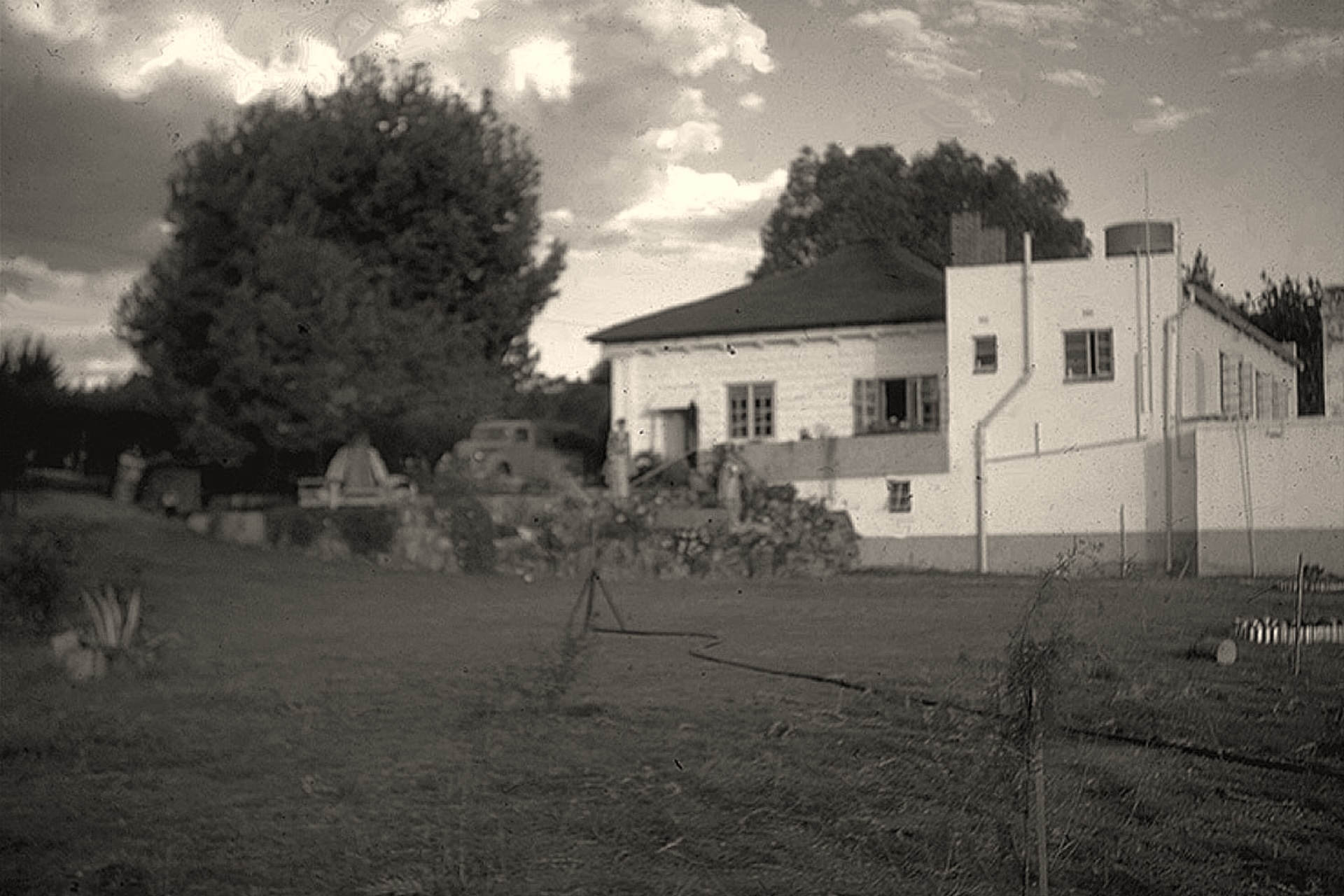
Through the decades, the home became a place of deep family roots and gentle growth. One of its former residents, Rudolf, shared fond memories of childhood days spent in its rooms and gardens, moments filled with the scent of granadillas, the hum of bees, and the distant sound of milk deliveries and horses passing by. In the 1980s, a second storey was added, expanding its character while preserving much of its charm.
Today, the farmhouse enters a new chapter. Restored and reimagined, it now operates as a boutique guesthouse, a calm, curated retreat that pays homage to its rich history. While the interiors have been tastefully updated to meet the needs of modern travellers, original touches remain visible throughout: from the stonework and shuttered windows to the enduring warmth of its architecture.
At Sandton Farmhouse, we welcome guests not just into a space, but into a story, one that bridges past and present, heritage and hospitality. Whether you’re here for rest, inspiration, or a sense of home, you’re part of the journey.
"We could hear the milk cart in the morning, drawn by a horse, and the vendor calling out as he walked the streets with a tin of paraffin on his shoulder. Our days were filled with adventure... building rafts for the pond, chasing dragonflies, and hiding in the tall grass that once covered the open veld."
Rudolf Graspointner, former resident